
Kiki Clubhouse
Sponsored Content
Our community here in Sydney is set to welcome an exciting new social space with the launch of Kiki Clubhouse early this year. Offering a refreshing, substance-free alternative to traditional nightlife, Kiki Clubhouse combines thoughtfully designed in-person events with a private app to foster meaningful connections and friendships.
The platform is tailored for individuals transitioning away from the party scene or seeking healthier social spaces, it prioritises inclusivity, wellbeing, and authenticity—particularly for those aged 35 and older.
Gay Sydney Australia sat down with founder Liam Miller, who envisions the club as a supportive haven for genuine connection, reimagining the way LGBTQI+ people come together.
Take a look.
What inspired you to create Kiki Clubhouse and how does it address the unique needs of the LGBTQ individuals transitioning away from the traditional party scene?
About 10 years ago now I had cancer for the second time and went through chemo. I was living and working in London, and then moved to Barcelona and I found myself in a very strange position in my life.
I had gone through this huge life event which changed my perspective on what I wanted to be doing with my time and my life and what I was doing with my body. But I found myself still falling back into the same habits of going to big clubs and parties and putting stuff in my body that was not good for me, and not the best for my mental health.
So, I started working with an amazing coach over there, who was helping me deal with some of the aftermath of going through all that. We did this really interesting exercise one day where he got me to start writing down all of the things that I got from partying over the years, all the positives that had come from it, rather than focusing on the negatives.
I came up with three main reasons: I went out to form connections with others, have some fun, and to blow off steam. My coach then asked me, “How can you get those things without harming your body and your mental health?”
So, from that I started this community in Barcelona where we ran events once a month, focusing on forming those connections that we get from partying, just without the traditional setting of a club, and with some activities to help people meet and break the ice.
I moved back to Sydney, and I’ve always wanted to do something similar here, especially considering there’s not a huge number of places to go to meet people and have deeper conversations and create more quality connections and friendships.
The queer community is known for being outgoing and partying until the early hours of the morning – it’s part of our identity. That also means straying away from that (in social settings) can be difficult.
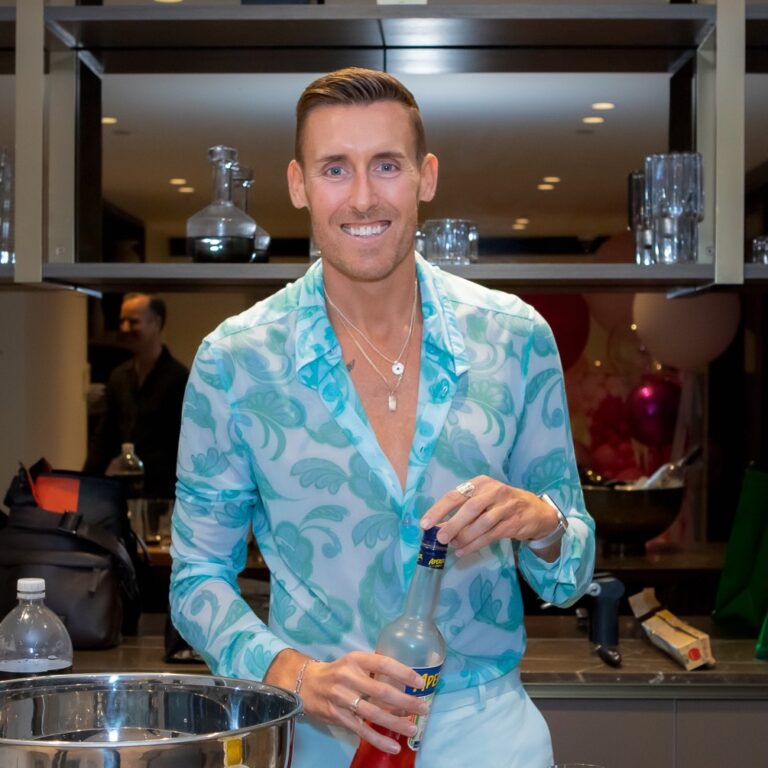
I’ve just turned 40, so I felt like I was getting to a stage where not as many people my age were out, but I still wanted to have that community feel that I got from going out in my 20s, in a space that’s more aligned to where I’m at now.
How do you envision Kiki Clubhouse fostering meaningful connections, particularly for LGBTQI+ individuals over 35, who may feel underserved by existing social spaces?
The whole idea is to fuse online and offline together, but in a way that sparks more meaningful connection. So, there’ll be a range of in-person events, which will be facilitated with activities to help people connect and we’ll have hosts to help people feel welcome and be a kind of social lubricant.
We’ll also have an online platform so when you attend our events, you won’t be going in blind. It means before you go to the in-person events, you’ll probably already know a lot about the members and have interacted with them online beforehand, making it easier to spark conversations in person.
The online platform is different to social media. It’s a private, uplifting ad-free space where the hosts are stimulating conversations, asking questions, creating polls, and things like that. There’s also an AI tool built into it to assist members to connect with each other.
Within the app there’s also a community activity space for members to organise their own activities and invite other members; whether that be a dinner, beach day, hike or anything else they like.
The combination of in-person events and an app is a distinctive feature. Can you tell us more about how the app complements the physical events to build a strong sense of community?
Our online platform has no politics, no ads, no news, no comparisons – none of this negative stuff you often get on social media. We’ve instead created this private online space that’s all designed to help people meet each other in a way that’s authentic, uplifting and enjoyable.
Free apps are designed to be addictive, they’re designed to keep you on the platform as long as possible so they can serve you more ads and make more money – your attention and data are the product. Our app is purposefully ad-free, we never sell your data, and it’s designed to help you connect with real people in your city and meet in real life.
And because it’s married with in-person events, it will also be filled with people that you have already met or will meet at some point, so it will feel like a real community… a big group of close friends.
There’ll also be online events for those who can’t make the in-person ones, or for people who work from home and can feel isolated, such as virtual coffee catchups where we jump on Zoom and chat for a bit in breakout rooms.
With wellbeing at the heart of Kiki Clubhouse, how will you ensure the event remains a safe and mentally healthy space for members?
Unlike free apps which can be full of fake profiles, scammers and trolls – Kiki is a paid membership which creates an immediate filter. We want people who really want to be part of the community and who are going to be active and participate. Having a membership fee helps to ensure that only people who are aligned and who really want to be there are going to join.
The online space is also facilitated by the hosts – setting the energy, conversation and culture to keep it aligned with our values. The hosts will also be moderating and intervening, when necessary, by removing posts or people who violate the community guidelines.
Additionally, the in-person events will be mostly members only, or ticketed for non-members, which again helps to filter out people who aren’t aligned. The hosts will also be on-hand; setting the energy and keeping an eye on things to make sure it remains a safe, inclusive and welcoming space.
As Kiki Clubhouse launches in Sydney with plans to expand, what are your long-term goals for the community and the impact you hope it will have on LGBTQI+ social spaces?
The long-term vision ideally is to open it up in lots of different cities. We’ll provide the online platform, the marketing and all the centralised services, and then work with local community leaders in each respective city who will organise the local events and manage the community engagement in that city.
That way you can grow wherever anyone wants to put their hand up and take it on in that city. That then provides your local network, which is really important.
I’d like to see it create an alternative cultural dynamic around what it means to socialise in a queer context. So often the focus does tend to lean towards partying and going out, and everything that goes with that. There’s nothing wrong with that, I still love a good party. But it’s also good to have an alternative.
And the long-term dream is to evolve the community into retirement living spaces called “Kiki Villages” where that same culture of connection, friendship and play can continue to provide a fabulous retirement for queer people.
To check out Kiki Clubhouse for yourself, check out their website here
To keep up with upcoming events, follow Kiki Clubhouse on Instagram here
To read more from Gay Sydney Australia, please click here